Post and beam construction
CategoriesBuilding With Us! Helpful Info

What Is Post and Beam Construction? A Guide for Custom Barns and Barndominiums

Post-and-beam construction is a time-tested building method known for its strength, open interiors, and distinctive exposed-wood character. Instead of relying on numerous closely spaced wall studs, this structural system uses substantial vertical posts and horizontal beams to carry the building’s weight. The method has long been associated with agricultural buildings, but it is also well suited for modern workshops, equestrian facilities, event barns, and customized barndominiums. Understanding what is post-and-beam construction can help Texas property owners decide whether it is the right approach for their land, lifestyle, and long-term goals.
What Is Post-and-Beam Construction?

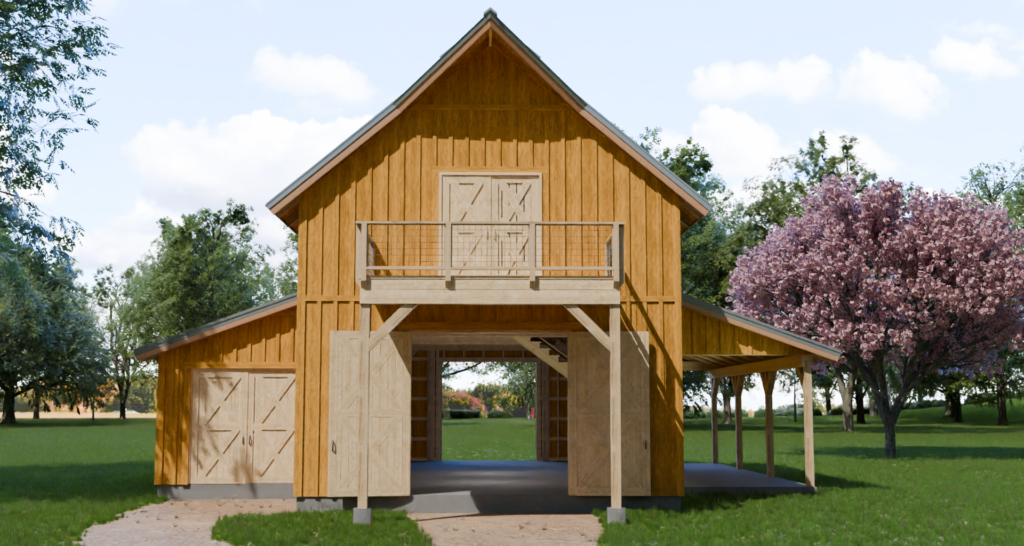
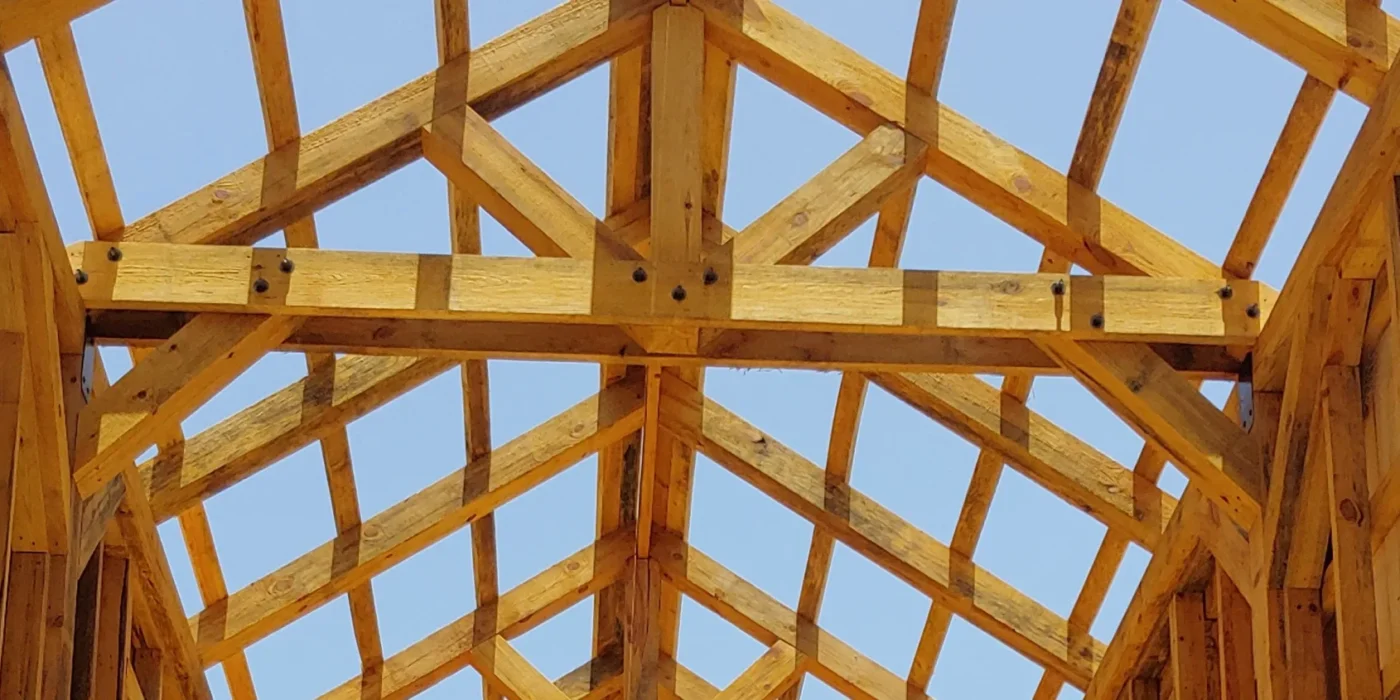
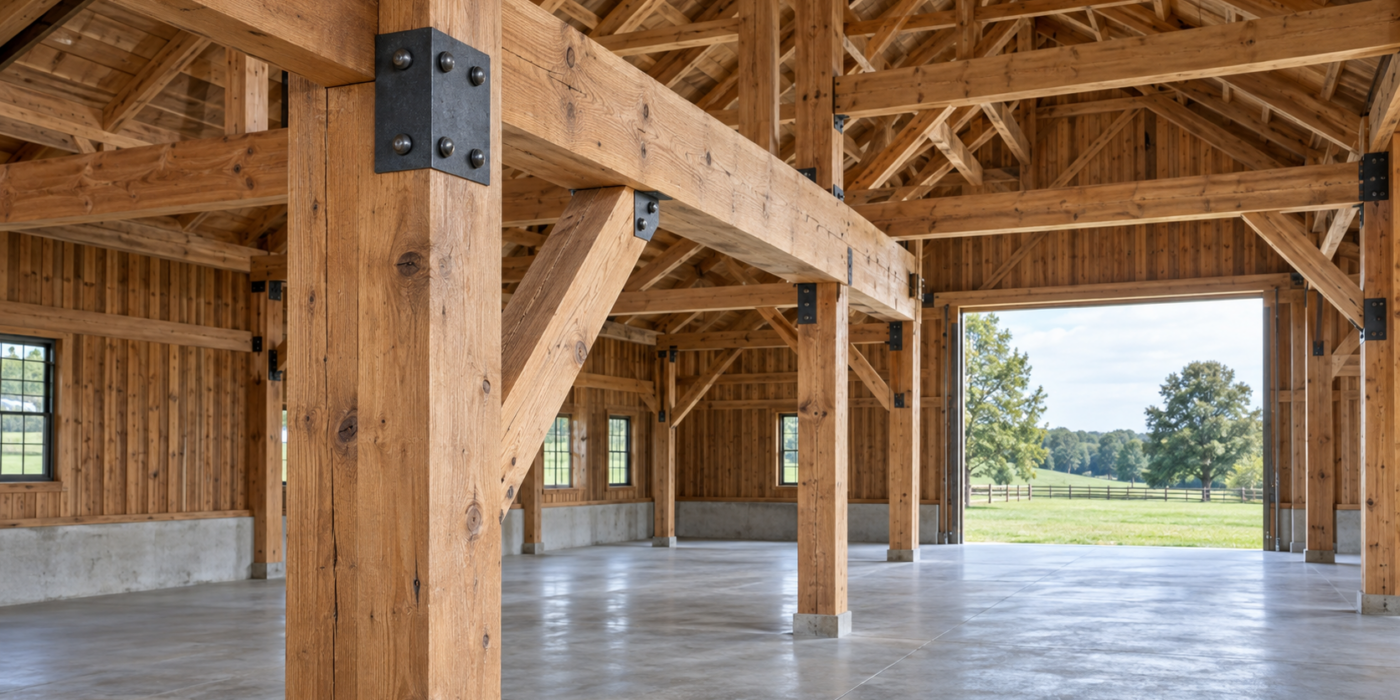
Post-and-beam construction is a structural building method in which large vertical posts support heavy horizontal beams. Together, these structural members form the main framework of the building and transfer the weight of the roof and upper areas down to the foundation. Post and beam construction Because the structural load is concentrated at specific posts rather than distributed across many interior walls, post-and-beam buildings can offer expansive rooms and flexible floor plans. The spaces between the structural posts can be enclosed with wood siding, metal panels, windows, doors, insulation systems, or other materials based on the intended use of the building. Traditional post-and-beam buildings were frequently assembled with carefully fitted wood connections and handcrafted joinery. Modern projects may also incorporate engineered fasteners, metal connectors, trusses, and contemporary foundation systems to meet current structural requirements while preserving the strength and visual appeal of heavy timber construction.
Key Characteristics of Post-and-Beam Construction

Although every custom barn or barndominium is different, most post-and-beam structures share several defining characteristics.

Large Structural Posts

Substantial wood posts serve as the primary vertical supports. These posts are spaced farther apart than the studs used in conventional wall framing, allowing fewer structural interruptions throughout the building.

Heavy Horizontal Beams

Horizontal beams connect the posts and support the roof, upper floors, or loft areas. In many designs, these beams remain visible and become an important architectural feature.

Open Interior Spaces

Because fewer load-bearing interior walls are required, post-and-beam construction can create wide, unobstructed areas. This is especially valuable for barns, workshops, equipment storage buildings, garages, and open-concept residential layouts.

Flexible Exterior Enclosures

The wall system can be selected separately from the main structural frame. Depending on the project, the exterior may include wood siding, board-and-batten details, metal roofing and panels, stone accents, large windows, or a combination of materials.

Visible Craftsmanship

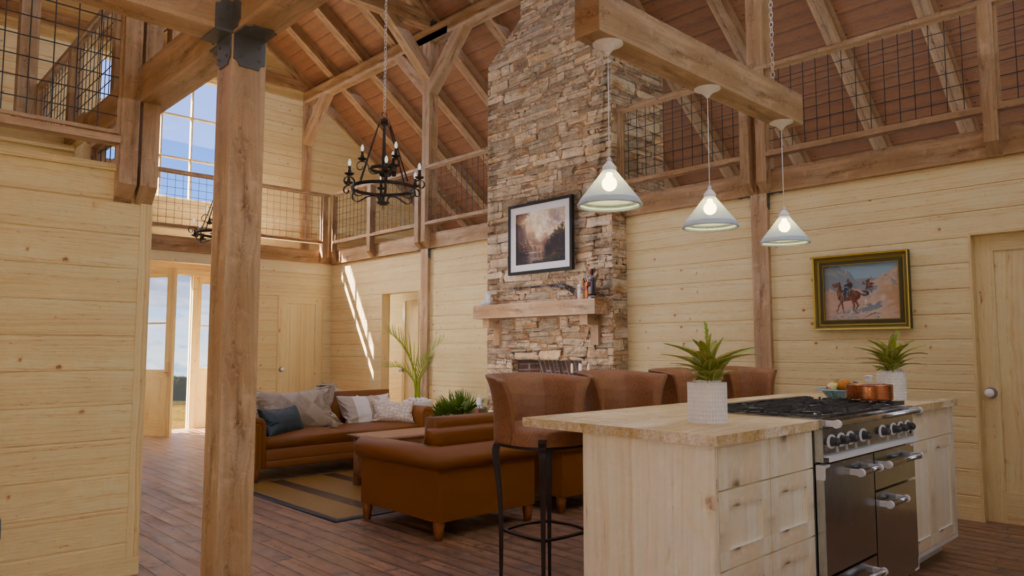
Exposed posts, beams, braces, and wood grain give the interior a warm, substantial appearance. These structural elements can help a new building feel connected to the heritage of traditional agricultural architecture.

How Post-and-Beam Construction Works

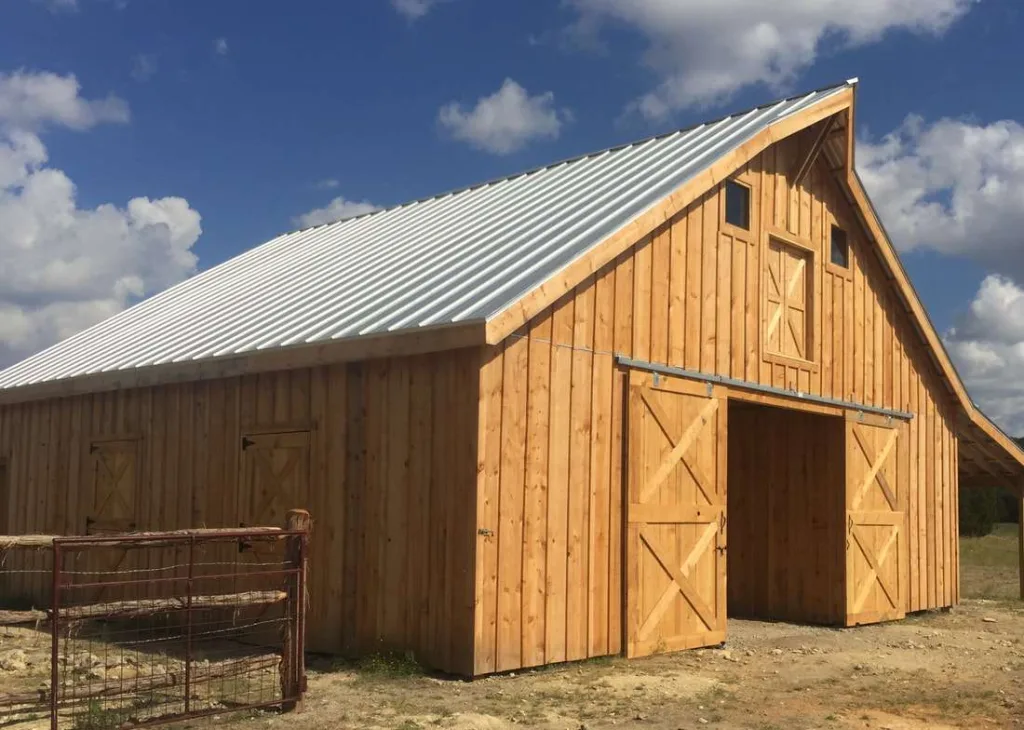
A post-and-beam building begins with a properly designed foundation and structural plan. The exact foundation depends on factors such as soil conditions, building size, local requirements, site drainage, and the intended use of the structure. Vertical posts are installed at engineered intervals and connected by horizontal beams. Roof framing, trusses, rafters, or additional structural members are then added to complete the building’s framework. Bracing may be incorporated to resist lateral movement and help the structure handle forces created by wind and other environmental conditions. Once the structural frame is complete, builders can install the roof, exterior walls, doors, windows, insulation, utilities, interior finishes, and other project-specific features. For a working barn, this could include stalls, tack rooms, wash bays, hay storage, or equipment areas. For a barndominium, the enclosed shell can be developed into kitchens, bedrooms, bathrooms, living areas, offices, garages, stables, and workshops. Livestock pole barn Every structural project should be designed for its specific property and reviewed for applicable engineering, permitting, wind-load, and building-code requirements.

Post-and-Beam Construction vs. Conventional Wood Framing

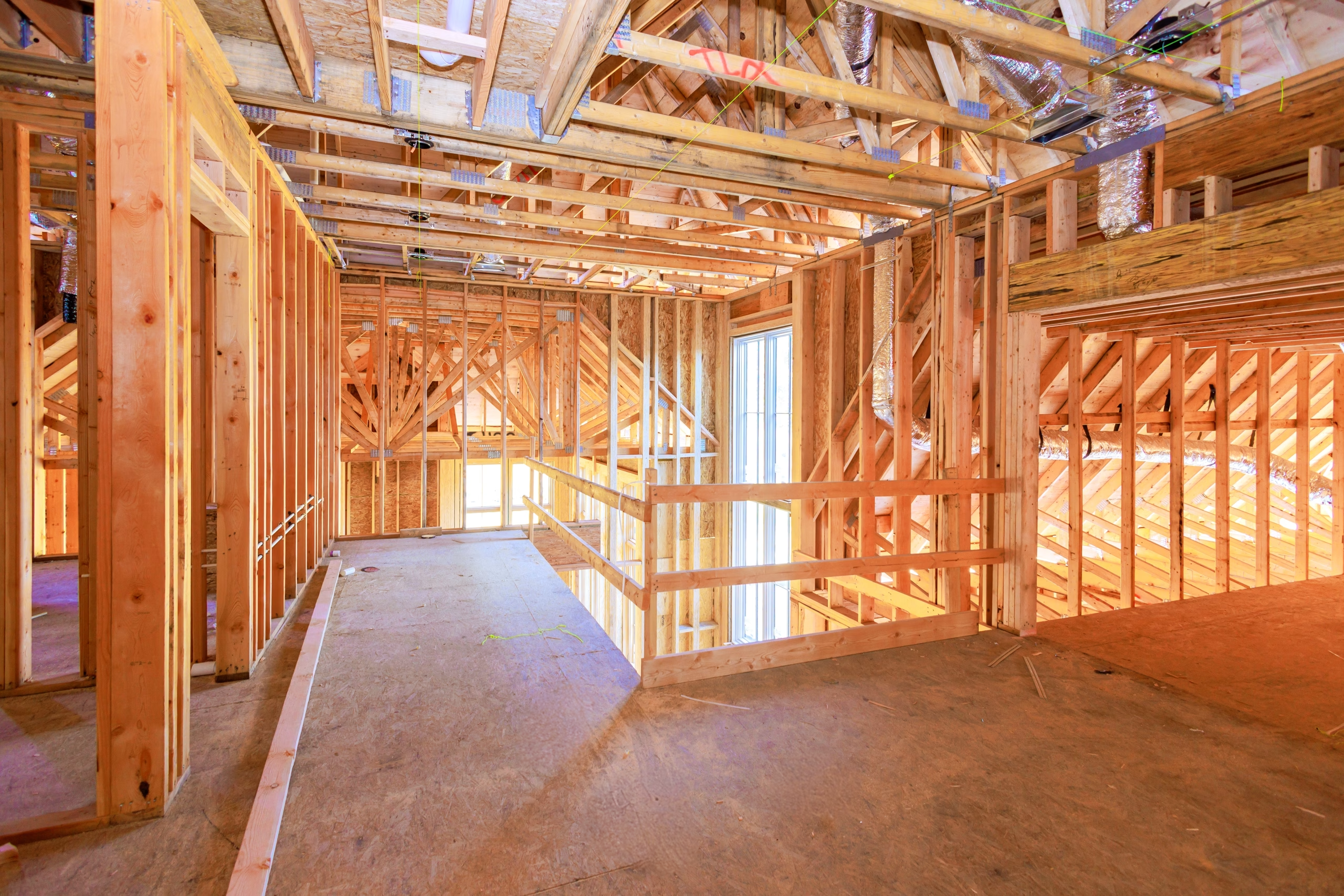
Post-and-beam construction differs significantly from conventional light-frame construction. A conventionally framed building typically uses numerous dimensional-lumber studs placed close together to create load-bearing walls. Those walls support the floors and roof while also defining individual rooms. A post-and-beam structure relies on a smaller number of much larger structural members. This approach can reduce the need for interior load-bearing walls and create greater flexibility within the floor plan.
Feature Post-and-Beam Construction Conventional Wood Framing
Primary structural system Large posts and horizontal beams Closely spaced wall studs
Interior layout Supports broad, open spaces Often relies on more load-bearing walls
Visual character Exposed wood can be a focal point Structural framing is usually concealed
Design flexibility Well suited for custom layouts and large openings Efficient for standardized residential layouts
Common applications Barns, workshops, barndominiums, lodges, event spaces Houses, additions, and smaller residential buildings
Neither method is automatically right for every project. The best option depends on the building’s purpose, size, design, location, budget, and engineering requirements. However, post-and-beam construction is particularly appealing when open space, substantial wood framing, and rural architectural character are priorities.
Why Post-and-Beam Construction Works Well for Custom Barns

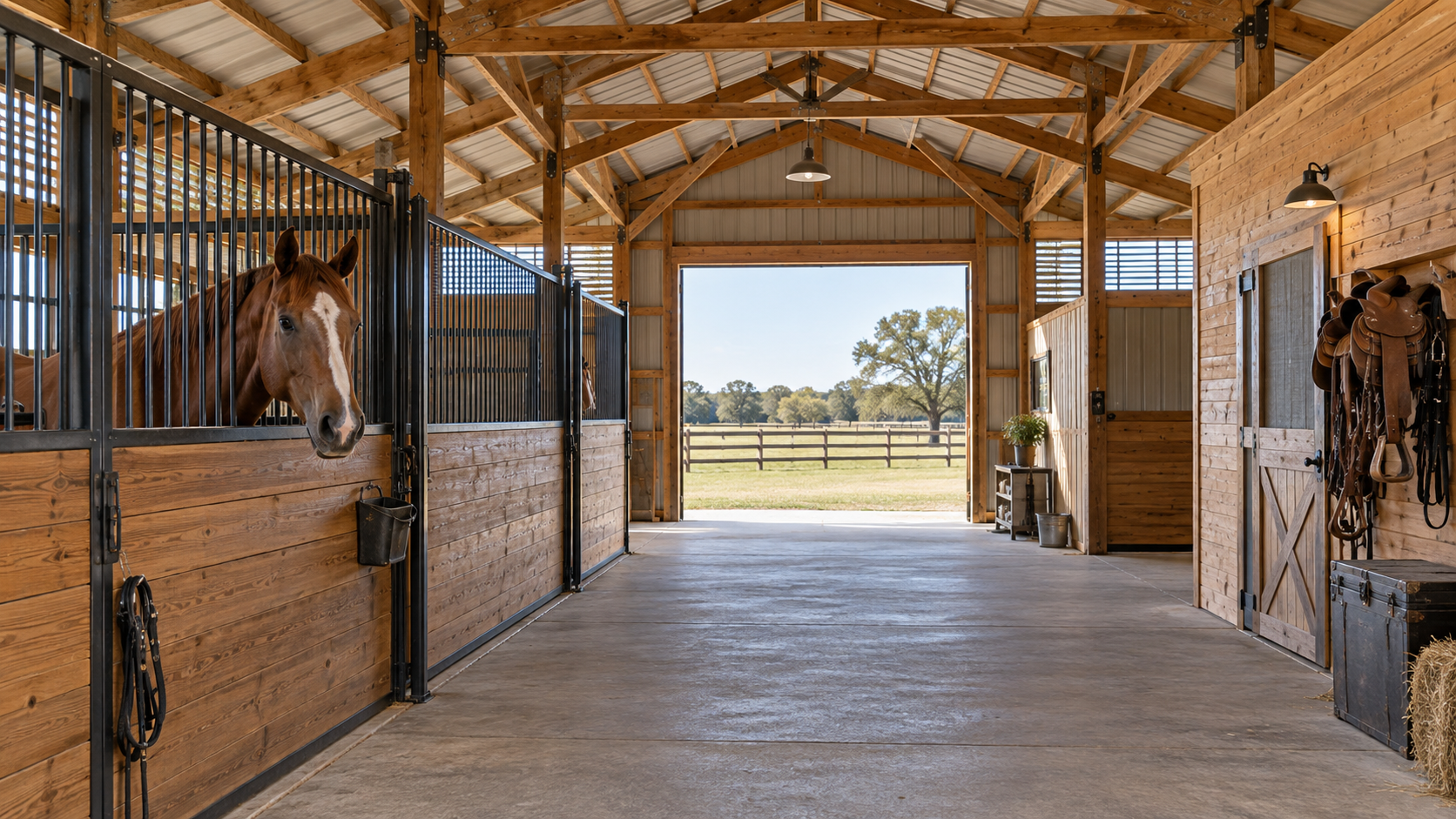
Barns frequently require interior space that can accommodate animals, vehicles, equipment, feed, tools, and changing agricultural needs. Closely spaced supports or numerous permanent walls can restrict how that space is used. Post-and-beam construction allows a custom barn to be organized around the owner’s actual operations. Depending on the project, the layout may incorporate:
  • Horse stalls and center aisles
  • Livestock areas
  • Tack and feed rooms
  • Hay storage
  • Tractor and equipment bays
  • Workshops and repair areas
  • Covered porches or overhangs
  • Loft storage
  • Large sliding, overhead, or hinged doors
  • Offices, restrooms, or utility rooms
The open structural approach can also make it easier to adapt the building as a ranch or property evolves. A storage area may later become a workshop, additional stalls can be added, or interior partitions can be reconfigured as operational needs change. Wood construction also gives custom barns a traditional appearance that complements rural land. Rather than looking like a generic utility building, a thoughtfully designed post-and-beam barn can become an architectural centerpiece of the property.

Why Post-and-Beam Construction Suits Barndominiums

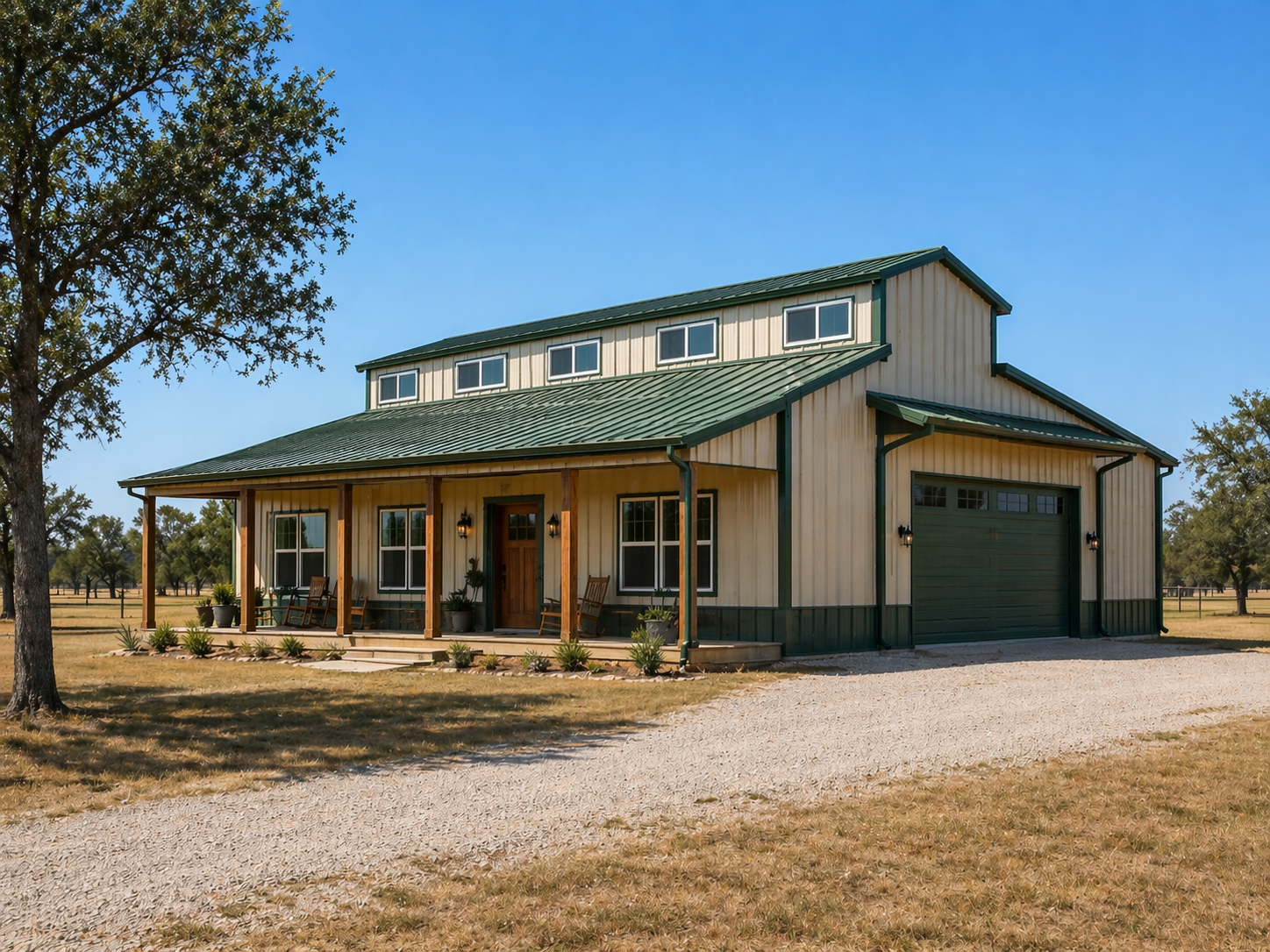
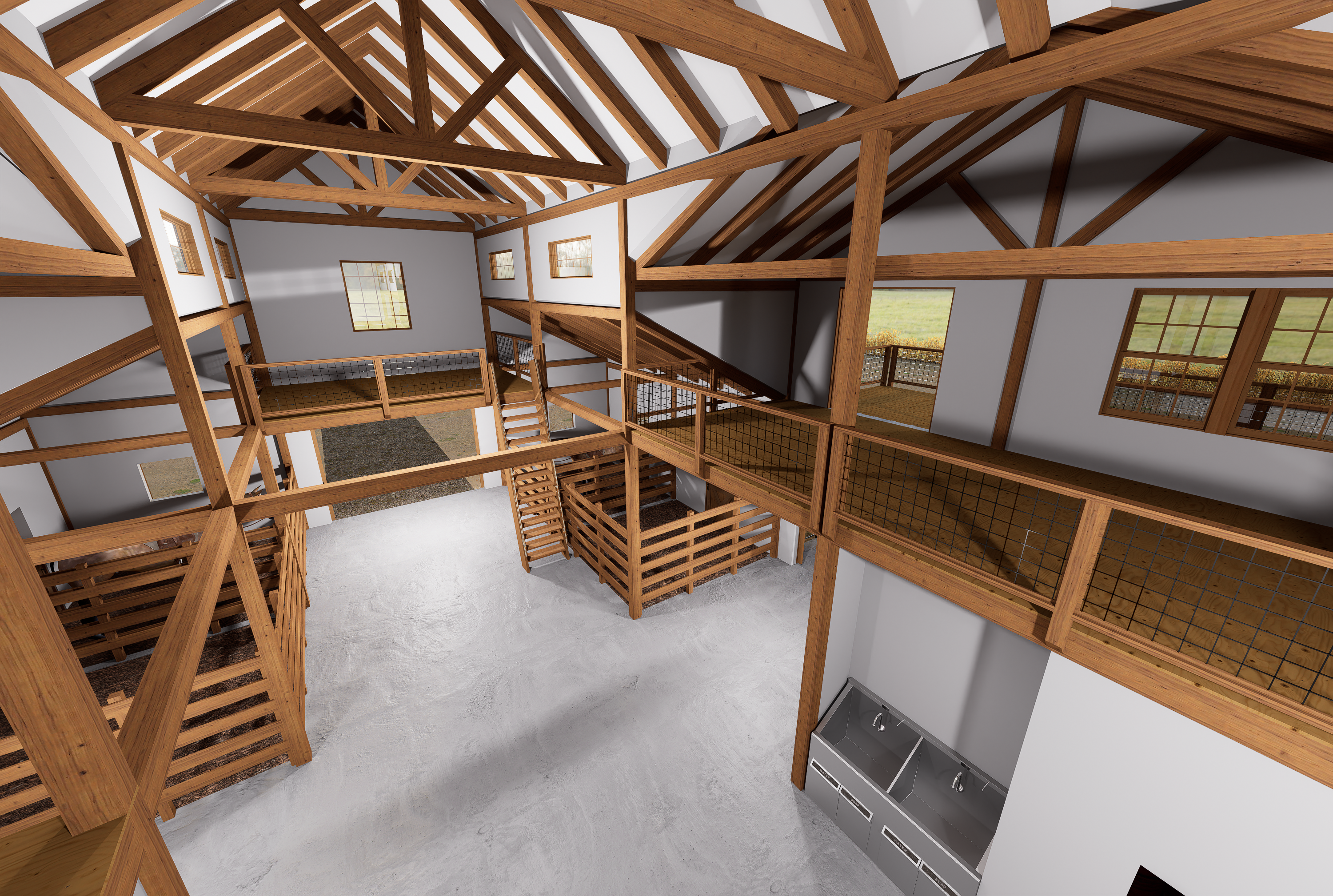
Barndominiums combine residential comfort with the practical space traditionally associated with barns, garages, and workshops. A barndominium may be used as a full-time home, ranch residence, guest house, recreational retreat, or combined living-and-working structure. Post-and-beam construction is well suited to barndominiums because it can accommodate open-concept interiors and highly personalized layouts. Large structural bays may be divided into living spaces without forcing the owner into a standardized residential floor plan. A custom barndominium might include:
  • An open kitchen, dining, and living area
  • Vaulted ceilings with visible wood beams
  • Bedrooms and private bathrooms
  • A loft, game room, or second-story living area
  • An attached garage
  • A woodworking, automotive, or equipment shop
  • A home office or business space
  • Mudrooms and utility areas
  • Covered outdoor living spaces
  • Oversized windows overlooking ranch land
The residential area and working area can be connected while remaining functionally separated. This allows owners to move conveniently between home, garage, workshop, storage, or agricultural spaces without sacrificing comfort or privacy.

Benefits of Post-and-Beam Construction

The specific benefits of post-and-beam construction will depend on the project, but property owners frequently choose it for the following reasons.

Greater Floor-Plan Flexibility

Fewer interior load-bearing walls provide more freedom to arrange rooms and functional areas. This is valuable when designing a building around specialized equipment, livestock operations, hobbies, business activities, or multigenerational living.

Expansive Interior Areas

Large structural bays can accommodate tractors, trailers, recreational vehicles, boats, machinery, workbenches, storage systems, and open residential spaces.

Distinctive Architectural Character

Heavy posts and beams provide depth, texture, and a sense of permanence. When the framing remains exposed, the structure itself becomes part of the finished design.

Long-Term Adaptability

An open interior can be modified as needs change. Owners may be able to add partitions, create new rooms, expand storage, or repurpose working areas without redesigning the building’s entire structural system.

Compatibility With Rural Properties

Post-and-beam barns and barndominiums can be designed to reflect the traditions of Texas ranching and agriculture. Gable roofs, gambrel profiles, monitor-style layouts, cupolas, porches, wood siding, and metal roofing can all be incorporated into a custom design.

Why Post-and-Beam Construction Is a Strong Choice for Texas Properties

Texas properties vary widely, from Hill Country ranches and working farms to wooded acreage and open pastureland. A custom structure must respond to the land rather than simply placing a standard building plan on every site. Post-and-beam construction provides the flexibility needed to design around views, access roads, prevailing weather, drainage patterns, existing ranch operations, and future expansion plans. A barn can be positioned to improve equipment access or support livestock routines, while a barndominium can be oriented to capture views and connect indoor rooms with covered outdoor spaces. Texas buildings must also be designed for the conditions of their specific region. Heat, intense sun, wind, rain, soil movement, humidity, and severe weather can influence the foundation, roofing, drainage, ventilation, insulation, and structural design. Proper engineering and site-specific planning are therefore essential. For agricultural properties, post-and-beam construction also offers an appearance that feels appropriate for the landscape. Natural wood, traditional barn proportions, practical overhangs, and carefully selected exterior materials can help a new building look as though it belongs on the land.

Important Considerations Before Building

Before beginning a post-and-beam barn or barndominium project, property owners should consider both present needs and future plans. Important planning questions include:
  • How will the building be used immediately?
  • Could the purpose of the structure change later?
  • How much room is needed for vehicles, equipment, livestock, or storage?
  • Will the building contain residential areas?
  • Are high ceilings, lofts, or large door openings necessary?
  • Where will plumbing, electrical, ventilation, and mechanical systems be installed?
  • How should vehicles and equipment enter and move around the property?
  • Which exterior style best complements the land?
  • Will future additions or expansions be needed?
The answers help determine the building’s dimensions, structural spacing, roof configuration, interior layout, foundation, and utility plan. Working with an experienced custom builder can help property owners identify practical considerations that may not be obvious during the early design stage.

Custom Pole Barns and Barndominiums From Barns Across Texas

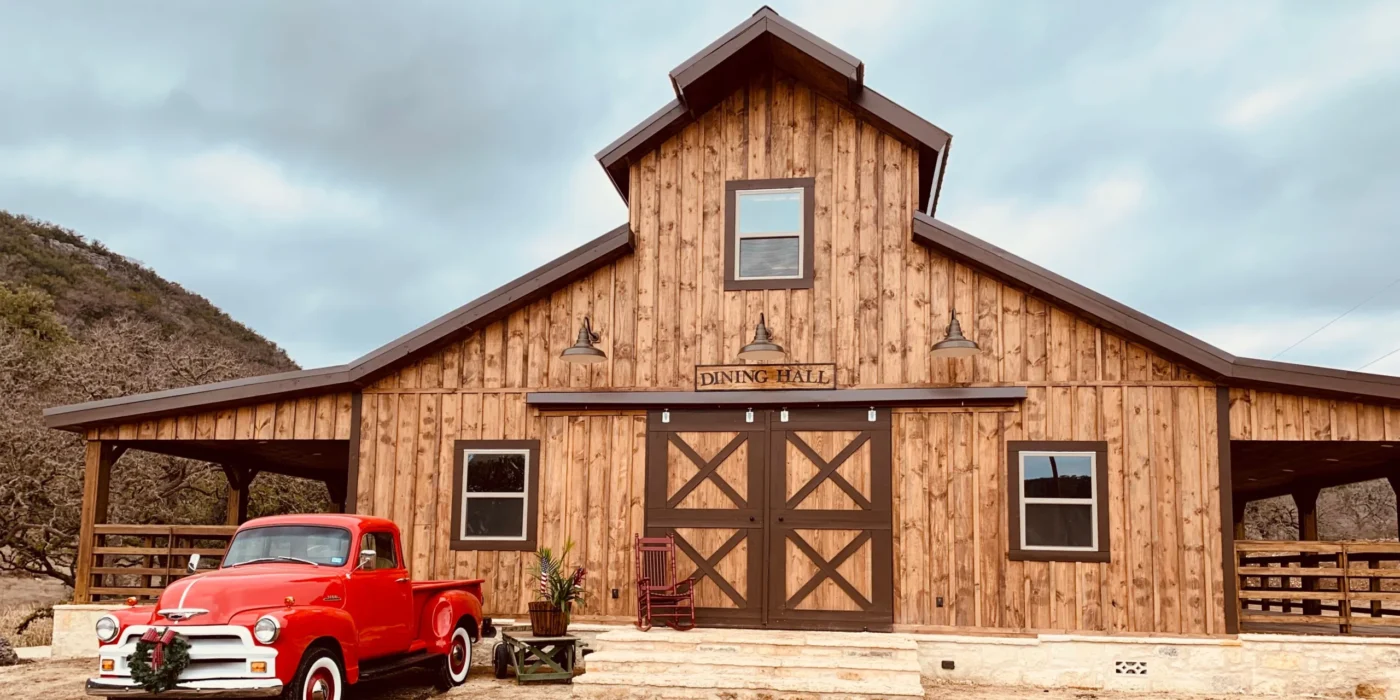
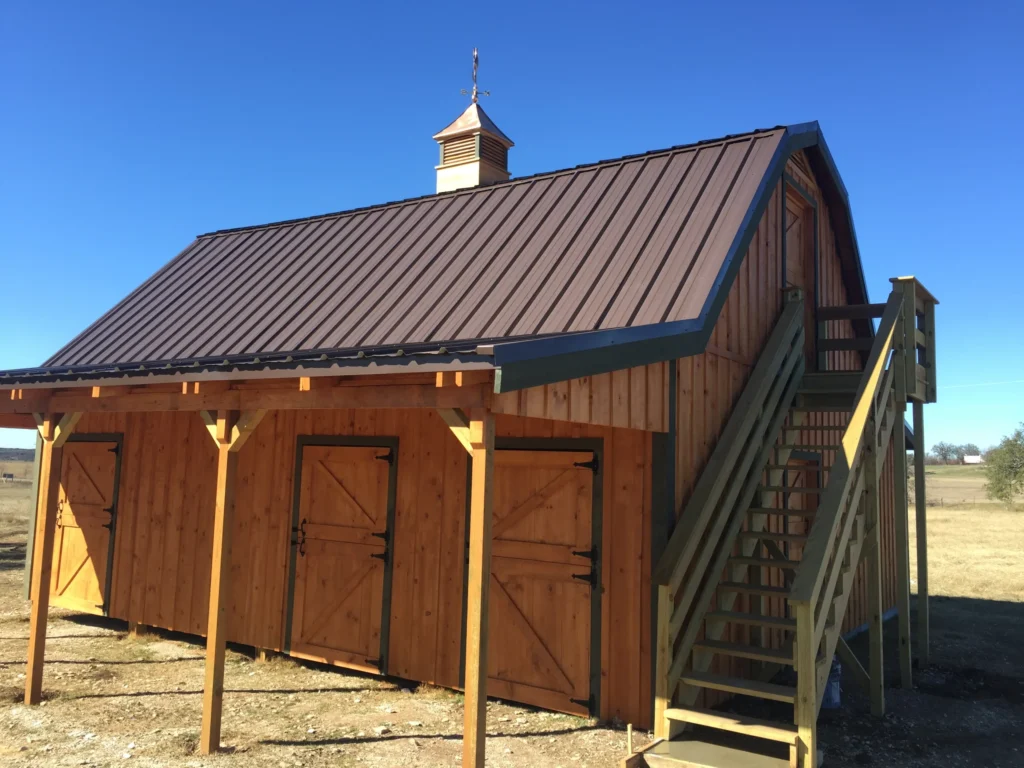
Barns Across Texas is a family-owned post-and-beam barn builder serving rural communities throughout Texas. With more than 60 years of experience, our team designs and builds custom barns, pole barns, workshops, and barndominiums that improve the appearance and functionality of ranch land. Our wood barns and horse barns are created with long-term durability in mind and are designed to develop even more character as they age. As experienced pole barn builders and barndominium builders in Texas, we do not force every property owner into the same standard floor plan. We create customized structures around the land, intended use, storage requirements, daily routines, and architectural preferences of each client. Whether you need an agricultural pole barn, a dedicated workshop, an equipment building, or a barndominium that combines personalized living and workspace, we can help develop a structure that fits your vision. At Barns Across Texas, building is also about preserving the legacy of rural Texas. Our work is inspired by old-world agriculture, the lasting strength of the cowboy spirit, and a commitment to creating functional buildings that complement the surrounding land. Each project is an opportunity to build something useful, beautiful, and meaningful for generations.
Build a Custom Structure That Belongs on Your Texas Land

So, what is post-and-beam construction? It is a versatile building method that uses substantial posts and beams to create strong frameworks, open interiors, and distinctive rural architecture. Its flexibility makes it an excellent option for custom barns, pole barns, workshops, and barndominiums designed around the way Texas property owners live and work. Contact Barns Across Texas to discuss your property, building needs, and design ideas. Our experienced team can help you get started on a custom pole barn or barndominium that enhances your land while carrying forward the enduring character of rural Texas.

FAQs

Is post-and-beam construction strong?

When properly designed and built, post-and-beam construction can create a strong and durable structure. The posts, beams, bracing, connections, and foundation must be engineered for the building’s size, location, intended use, and expected loads.

How long can a post-and-beam building last?

A well-built and properly maintained post-and-beam building may remain functional for generations. Its lifespan depends on material quality, engineering, drainage, moisture protection, insect prevention, maintenance, and local environmental conditions.

Does post-and-beam construction require interior load-bearing walls?

Because the primary frame carries much of the structural load, post-and-beam buildings may require fewer interior load-bearing walls than conventional structures. This can provide greater flexibility when planning rooms, work areas, storage spaces, stalls, or vehicle bays.

How much does a post-and-beam barn cost?

The cost of a post-and-beam barn varies based on its size, design, materials, foundation, engineering, site conditions, finishes, utilities, and intended use. A basic agricultural structure will generally have different costs than a finished barndominium with residential features.
CategoriesBuilding With Us! Helpful Info

Inspiring Rustic Pole Barn Designs for Your Next Project

Rustic pole barns are a staple of rural Texas living, combining functionality with timeless aesthetics. These versatile structures are not just for housing livestock or storing equipment; they have evolved into beautiful, livable spaces that capture the essence of country charm. At Barns Across Texas, we offer a wide range of inspiring rustic pole barn designs perfect for any rural Texas property. Whether you need a simple storage solution or a luxurious barn with living quarters, our designs cater to all your needs. In this article, we will explore different pole barn designs and highlight the unique features of each.

Types of Pole Barn Designs

1. Agricultural Pole Barns

Agricultural pole barns are designed to meet the needs of farmers and ranchers. These structures can house livestock, store equipment, or serve as workshops. Features often include:

  • Open Interiors: To accommodate large machinery and livestock.
  • Ventilation Systems: To ensure a healthy environment for animals.
  • Storage Lofts: For hay and other supplies.

2. Residential Pole Barns

Residential pole barns, or “barndominiums,” combine the functionality of a barn with the comfort of a home. These structures are becoming increasingly popular for rural Texas living. Key features include:

  • Spacious Living Areas: Open floor plans with high ceilings and ample natural light.
  • Custom Interiors: Tailored to the homeowner’s preferences, with modern amenities and rustic finishes.
  • Energy Efficiency: Well-insulated to keep energy costs low.

3. Commercial Pole Barns

For business owners, commercial pole barns offer a versatile and cost-effective solution. These buildings can be used for a variety of purposes, including:

  • Retail Spaces: Rustic shops or boutiques that attract customers with their unique aesthetic.
  • Workshops: For artisans, craftsmen, or mechanics needing ample workspace.
  • Event Venues: Ideal for weddings, parties, and other gatherings.

4. Equestrian Pole Barns

Equestrian pole barns are tailored to the needs of horse owners. These barns provide safe, comfortable, and practical spaces for horses and their caretakers. Features include:

  • Stalls and Tack Rooms: Designed for the comfort and convenience of both horses and handlers.
  • Arenas: Indoor riding arenas for year-round training and exercise.
  • Wash Bays: Equipped with proper drainage and water supply.


Explore Custom Pole Barn Home Designs From Barns Across Texas

At Barns Across Texas, we pride ourselves on offering a diverse range of pole barn designs that cater to various needs and preferences. Here are some of our most popular designs:

Classic Pole Barn

The traditional pole barn design is the quintessential barn structure, characterized by its simple, yet sturdy, construction. These barns are typically used for agricultural purposes such as housing livestock, storing equipment, or sheltering hay. Traditional pole barns feature large open spaces, high ceilings, and are often constructed using post and beam construction methods, ensuring durability and flexibility.

Monitor Barn

Monitor barns, also known as raised-center aisle barns, feature a raised central section flanked by lower sidewalls. This design allows for excellent ventilation and natural light, making it ideal for housing livestock or creating an airy workshop. The elevated center aisle provides additional storage or workspace, enhancing the barn’s versatility. Monitor barns are perfect for those who need a multi-purpose structure that combines practicality with architectural beauty.

Gable Barns

Gable barns are characterized by their simple, pitched roof design, creating a triangular gable at each end of the building. This classic design is highly versatile and can be used for a variety of purposes, from agricultural storage to workshops and even living spaces. Gable barns offer efficient water runoff and are relatively easy to construct, making them a popular choice among those looking for a functional yet aesthetically pleasing barn. The straightforward design also allows for easy customization, making it suitable for different needs and preferences.

Gambrel Roof Barn

Gambrel roof pole barns are distinguished by their two-sided, symmetrical roof design, which provides additional headroom and storage space in the loft area. This design is particularly popular in rural Texas where the added space can be used for hay storage or creating a charming loft area. The gambrel roof’s classic look also adds a touch of historical charm, reminiscent of old Western barns, making it a favorite among those looking to blend functionality with traditional aesthetics.

Horse Barn

For equestrian enthusiasts, the horse barn design is a must-have. These barns are specifically tailored to meet the needs of horse owners, offering features such as spacious stalls, tack rooms, and wash bays. Horse barns can be customized with post and beam construction to ensure strength and durability, providing a safe and comfortable environment for your horses. With thoughtful design and planning, these barns can also include living quarters, making it convenient for caretakers or offering a unique living experience.

Barn with Living Quarters

A barn with living quarters combines the rustic charm of a traditional barn with the comforts of a home. These hybrid structures are perfect for those seeking a unique living space that blends seamlessly with the rural landscape. By utilizing post and beam construction, these barns provide an open and flexible floor plan, allowing for creative interior design. Whether you’re looking to create a cozy cabin feel or a modern rustic retreat, barns with living quarters offer endless possibilities.

About Barns Across Texas

At Barns Across Texas, we specialize in designing and constructing post and beam barns that embody the essence of Old Western Texas cowboy culture. Our custom barn building services allow you to create a unique structure tailored to your specific needs and preferences. Whether you’re looking for a traditional barn, a barn with living quarters, or a specialized equestrian facility, we have the expertise and experience to bring your vision to life.

We pride ourselves on using high-quality materials and traditional craftsmanship techniques to ensure the longevity and beauty of your barn. Our post and beam construction plans are designed to withstand the test of time, providing you with a durable and aesthetically pleasing structure that will serve you for years to come.

Get Started on Your Custom Barn Project

Rustic pole barn designs offer a perfect blend of functionality and charm, making them ideal for rural Texas living. Whether you’re looking to build a simple storage barn or a luxurious barn with living quarters, Barns Across Texas has a wide range of designs to choose from. Our post and beam construction methods ensure that your barn will be both durable and beautiful, providing a timeless addition to your property.

If you’re living in Texas or planning to move to Texas and are interested in building a custom post and beam barn home, we invite you to explore our post and beam construction plans or contact us here at Barns Across Texas to get started. Let us help you create the perfect rustic retreat that captures the spirit of the Old West and meets all your needs.


FAQs

Post and beam construction offers numerous benefits, including superior structural integrity, design flexibility, and a unique rustic aesthetic. The exposed beams and natural wood create a warm, inviting atmosphere that is perfect for rural living.

Yes, pole barns can be designed as residential homes, commonly referred to as “barndominiums.” These homes combine the rustic charm of a barn with modern amenities and open floor plans, making them a popular choice for rural living.

The cost of building a pole barn home varies depending on the size, design, materials, and customization options. Generally, pole barn homes can be more cost-effective than traditional homes due to the simplicity of their construction and the efficiency of the building process.

Pole barn homes can be built on various types of land, but it’s important to ensure the site is properly prepared. Factors such as soil stability, drainage, and zoning regulations need to be considered before construction begins.

Barns Across Texas: Photo of barn structure
CategoriesBuilding With Us!

What’s Full Dimension Lumber?

Why does our Barndominium wood look different from a house?

All your life, you have probably seen wood planks like 2x4s and 3x4s and wondered to yourself if those are really all measured that way. You would be right to wonder, because the truth of it is: It’s a lie! Wood that has numbers like 2x4s are really only 1.74×3.75, which isn’t nearly as catchy, is it?

Well, not a lie, exactly, so much as an interesting practice dating back hundreds of years! It all comes down to the difference between standard “Nominal Dimensional Lumber” and “Rough Sawn Full-Dimensional Lumber“.


Dimensional Lumber:

Before we go further, it’s important to know that “Dimensional Lumber” just means wood or lumber, that is cut and milled to specific dimensions. Like how wheels on a car have a set size, so every new Toyota Camry will use the same tires. It is a practice of standardization, though as we will see, this can be a little confusing!


Nominal Dimensional Lumber:

Nominal Dimensional Lumber, or simply Dimensional Lumber, is a highly processed and smooth kind of wood that has been dried in a factory. The wood’s “actual” size is based on the size that wood used to dry to from it’s original cut. Because wood is full of water, it shrinks when dried, meaning the cut wet wood and the dried wood we usually get can be different and size. The number we use on a day to day basis, like a 2×4, is used to categorize the wood and we call that “Nominal Dimensions”. It’s not a lie to say that they are a 2×4, because the term “2×4” is more of a name, than the dimensions. Nearly all the 2x4s at Lowe’s or Home Depot have roughly the same size, because they all follow the same practice.


Rough Sawn Full-Dimensional Lumber

Rough Sawn lumber is not smooth and pressed like the boards you see at a hardware store, they are much closer to the initial cut from a tree. This process involves a much simpler air drying method that preserves the size of the lumber. As a result? Big, rough planks that look like they came straight from the forest, and offer that wood cabin feel to any home or barn they are a part of. Because these plans are often locally sourced, and minimally processed, they can look beautiful, while helping to maintain the environment as well!

What We Use

Having covered what these sorts of woods are, you may wonder what we use, and where! The fact is, we use both types of lumber, and in all sorts of ways! Full Dimension Lumber is best used when you can see it, so we are careful to use it when a wall will just cover it up. Meanwhile, standard Nominal Lumber is smooth and simple to use, allowing our builders to form frames and studs quickly and easily. Here is a short list to help you understand where you can expect our woods:

  • Houses
    • Full Dimension: Accents when requested.
    • Nominal Dimension: Framing and Studs. Most wood will be these.
  • Barndominiums
    • Full Dimension: Major Horizontals, Verticals and other Visible posts
    • Nominal Dimension: Interior Wall Frames and studs.
  • Barns
    • Full Dimension: Most Woods used.
    • Nominal Dimension: Small Internal Walls for human rooms.

Keep in mind, each plan will be unique, and you can work with our designers and architects to find the best way to make your building pop!

CategoriesBuilding With Us!

What is a Shell Home?

What makes the Shell?

Shell Homes might feel like a recent phenomenon with a strange practice that doesn’t make sense, but you’d be quite surprised! After all, every house has to build the shell, but not every company can specialize in that process! Not unlike writing the outline of a paper, the Shell of a Home sets the structure and shape of the project, allowing you to see what your dream home looks like as soon as possible. With a shell home builder, we work hard to get you to that first step, and work with your electricians and plumbers to prepare for the next steps.

The advantages of a shell home builder is the control you have over the process. If you like to manage all your projects in steps, and want to have exactly the floors, walls, toilets and more that you want, splitting the internals and shell can save you a lot of headaches. With our focus on making sure you have a sealed space, you can take your time and work on getting the best deals inside. A breakdown of our services can be seen below, but feel free to ask us what else we can help you with, as we might have some recommendations for your location!

  • Foundation
    • Leveling where necessary
    • Concrete poured where the house and porches will be
  • Framing
    • Wood Verticals and Horizontals
    • The “Skeleton” of a house
  • Stud Walls
    • The Innermost wall frames
    • Not including dry wall
  • Subfloors
    • Plywood and OSB type panels that give support to your floors
  • Exterior Windows
    • Windows of your choice
  • Exterior Doors
    • Doors of your choice
  • Siding
    • The exterior wrap and panels that seal the walls
  • Roofing
    • The interior roofing that seals the house
    • The exterior tiles that protect the house

These are just a rough example of what you can expect, of course. Your house will be designed in partnership with our designers and architects to deliver the best house for you! If you have any questions, please feel free to contact us!

Get in touch

Jonestown, Texas
18604 RM 1431, Jonestown, TX 78645

phone

about us

Barns Across Texas is a post-and-beam construction company that’s family owned and located in Leander, Texas with over 60 years experience. We can design and build any barn, barndominium, or workshop to make your ranch land beautiful.

© 2026 – Barns Across Texas. All Rights Reserved.

Website design by Growth Friday.